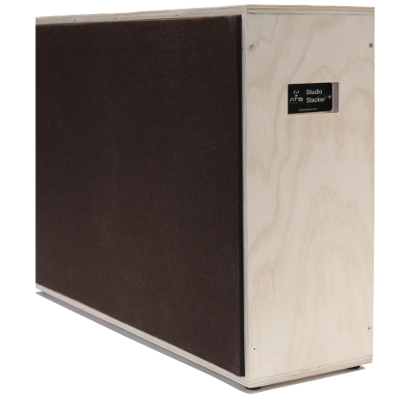
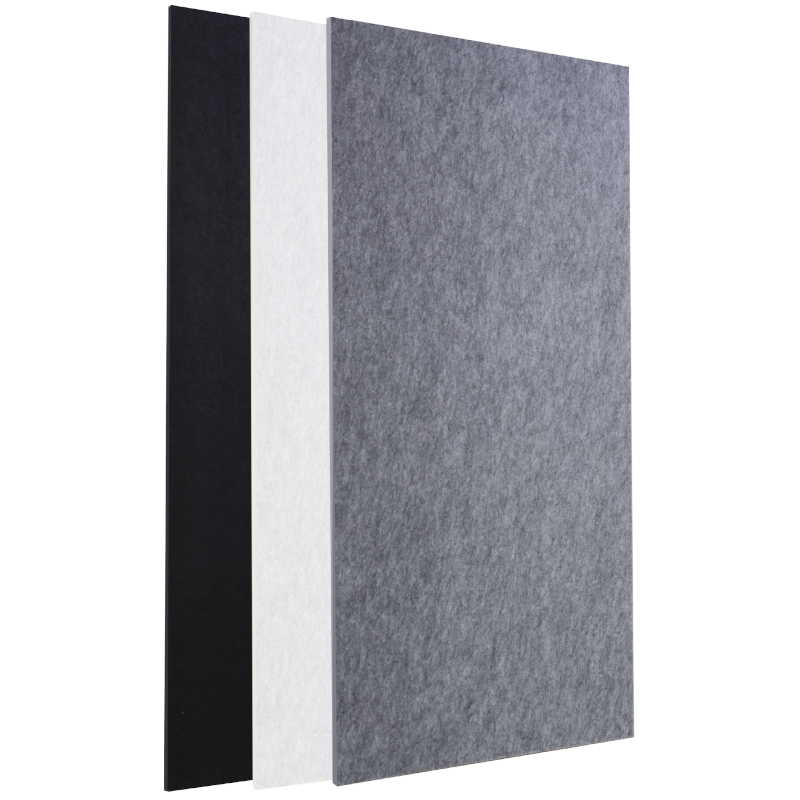
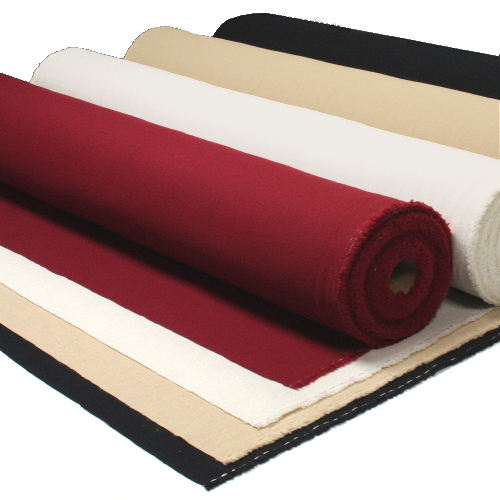
Rotofast Standard Anchors are highly effective at hanging sheets of fabric-covered Owens-Corning 703, 705, and Roxul Rockboard 60 without the need for wood frames or glue on the wall. This price is for one Rotofast Standard anchor. If you wish to order in bulk, check out our Bulk 50-Pack.
Specifications
| SKU: | ATS-rotofast2 |
| Material: | Stabilized polypropylene plastic |
| Dimensions: | Anchor: 2 inches x 7/8 inches |
| Screw Holes: | 3/16 inch diameter |
| Pack Size: | 1 Rotofast Standard Anchor |
| Included Fasteners: | 1 #8 x 1.5 inch screw
1 conical anchor |
| Country of Origin: | Rotofast Standard Anchor: Canada
Screws: China or Taiwan
Conical anchors: USA |
Installation Information
The Standard Anchors may only be used to hang the fiberglass and mineral wool insulation boards described above. The Standard Anchors may also be used to hang certain Hardened-Edge Acoustic Panels, but please note that installation requires you to pierce the front of the panel at each mounting point. If damage to the front of the panel is a concern or if the fabric does not have a weave that can correct for the hole, consider using the Snap-On Anchors instead.
The Standard Anchor is unique in that each anchor is fastened to the substrate by turning the anchor through the front of the panel. The small diameter awl used to penetrate the panel face is sharp and highly polished. It passes easily through the panel face material, leaving a small hole that is easily hidden after completing the installation. Whether it’s a fine or coarse woven fabric, the hole can be closed by lightly by rubbing the weave back into position.
These anchors may NOT be used to hang framed ATS Acoustic Panels (see our Acoustic Panel Installation Kits for that information).
Click here for mounting instructions.
Safety
Warning: Improper installation of acoustic panels can create a safety hazard and result in injury or death. ATS Acoustics provides general information about installation methods. This information and any included fasteners may not be applicable to some products, substrates, or installation circumstances. Each customer is responsible to determine safe installation methods for their specific situation, and to comply with local building codes.